Articles
-
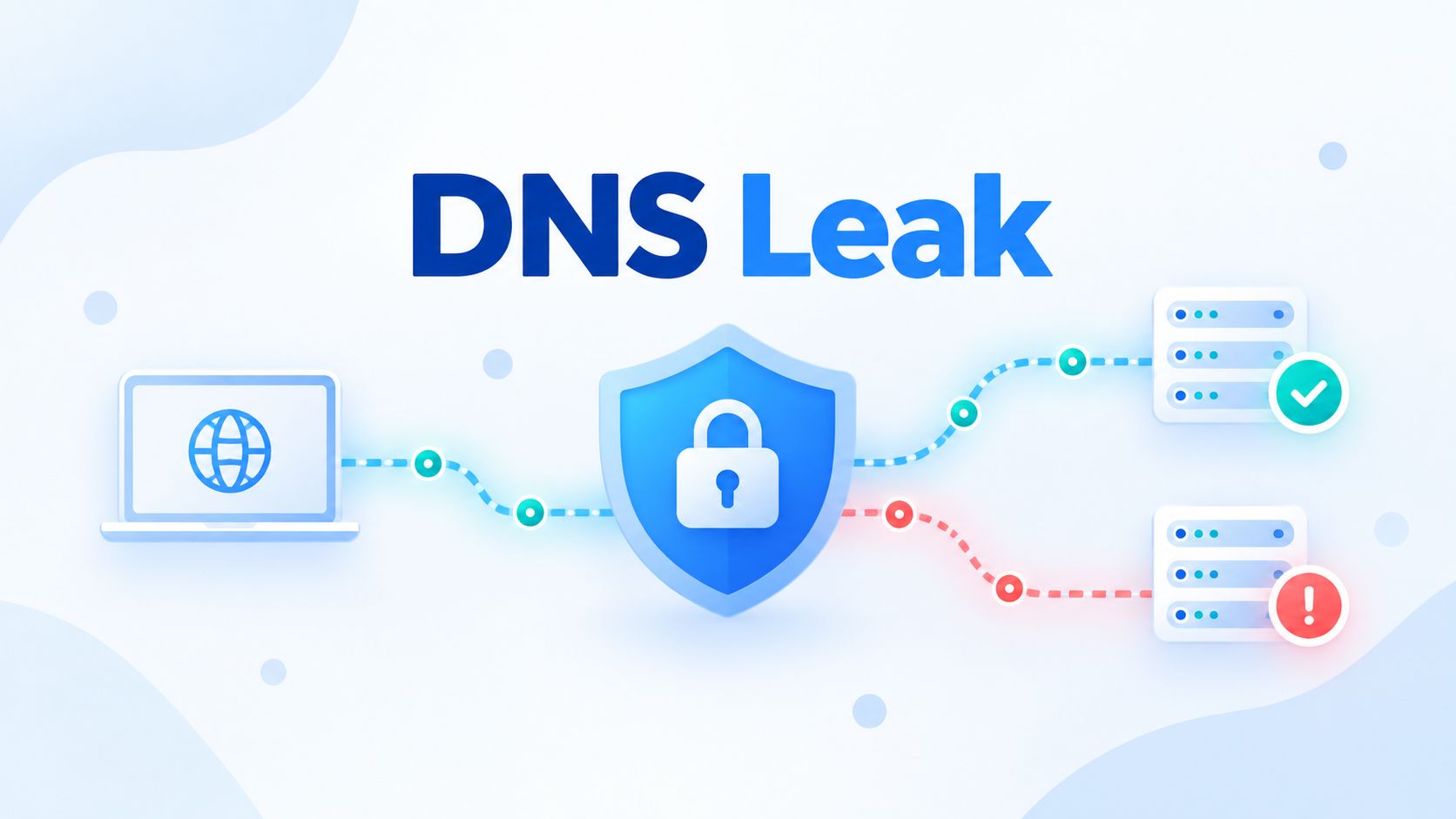
What Is a DNS Leak? How to Test, Fix, and Prevent It
A VPN can hide your public IP address and send your Internet traffic through an encrypted tunnel. But there is one small piece of the connection that can quietly take a different route: DNS. When that happens, your website traffic may travel through the VPN while your DNS requests still go somewhere else. This is…
-
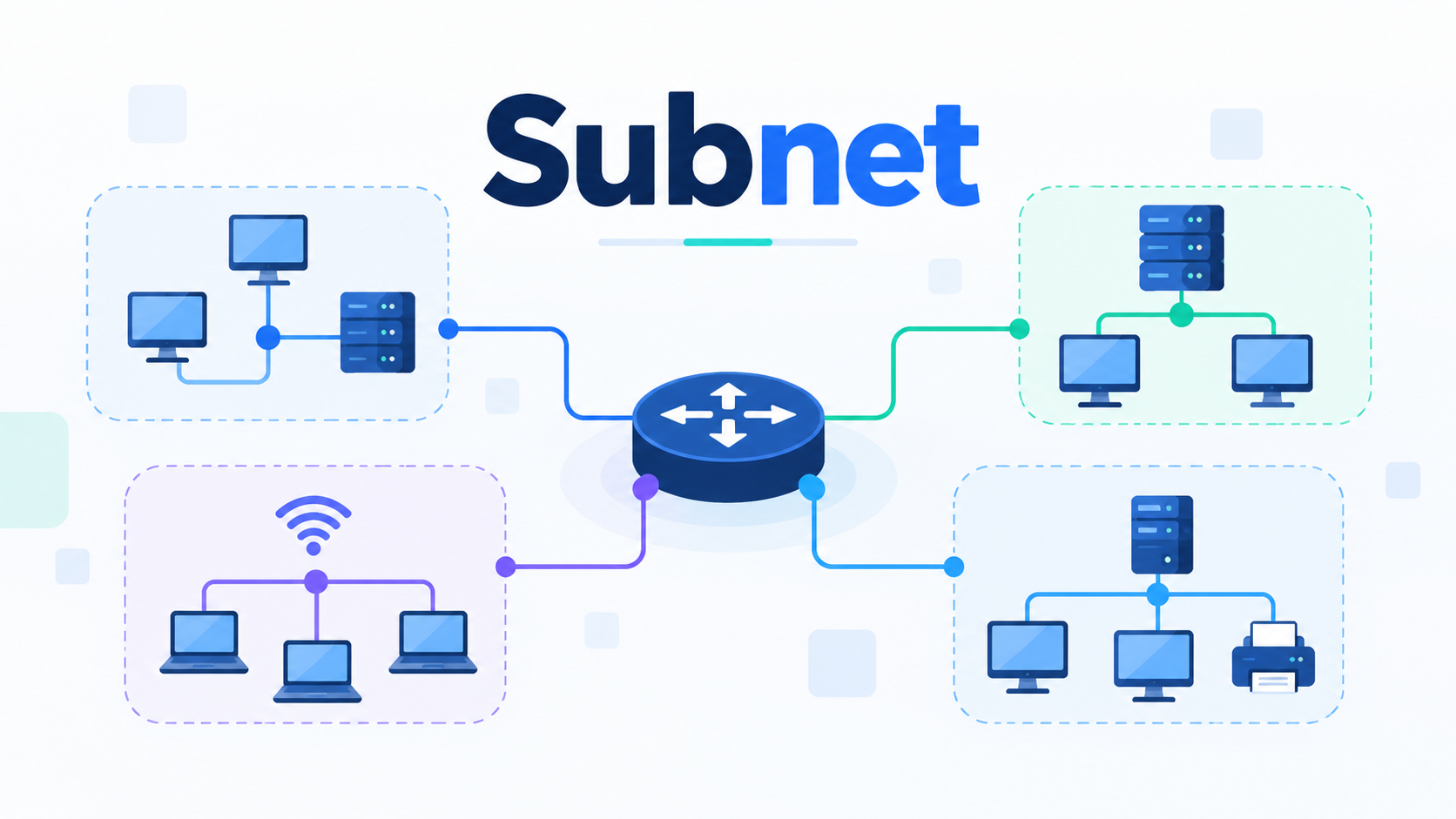
What Is a Subnet? A Beginner’s Guide
A subnet is a term you may come across when learning about computer networks, IP addresses, or internet connections. Although it sounds technical, the concept is surprisingly simple. A subnet is a smaller section of a larger network that helps organize connected devices and manage how they communicate. Whether you’re connecting devices at home or…
-
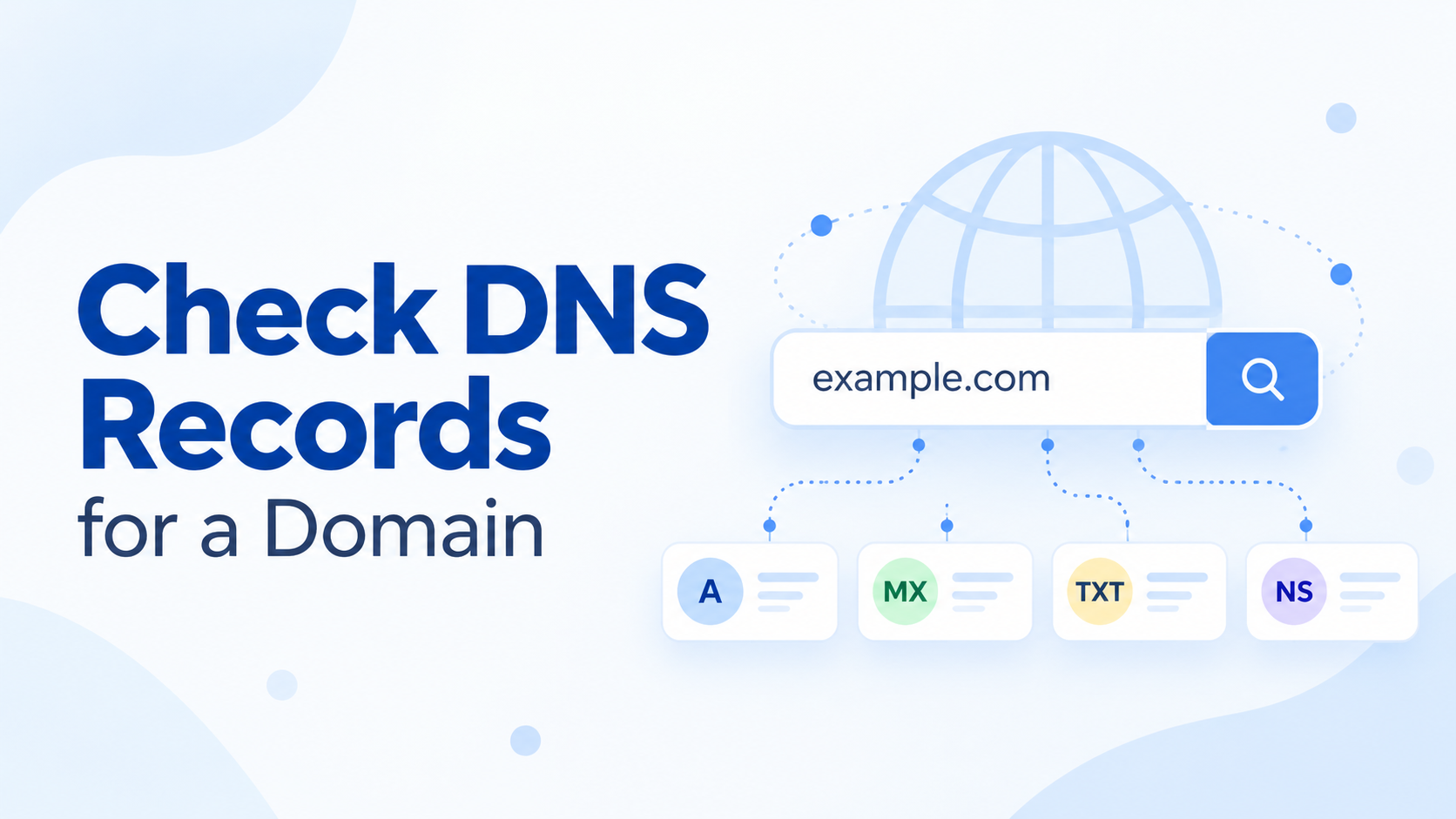
How to Check DNS Records for a Domain?
Checking DNS records is useful whenever you want to see where a domain points, verify an email setup, troubleshoot a DNS problem, or confirm that a recent change is working. You can do it from the command line with tools such as dig and nslookup, or use an online DNS checker if you prefer something…
-
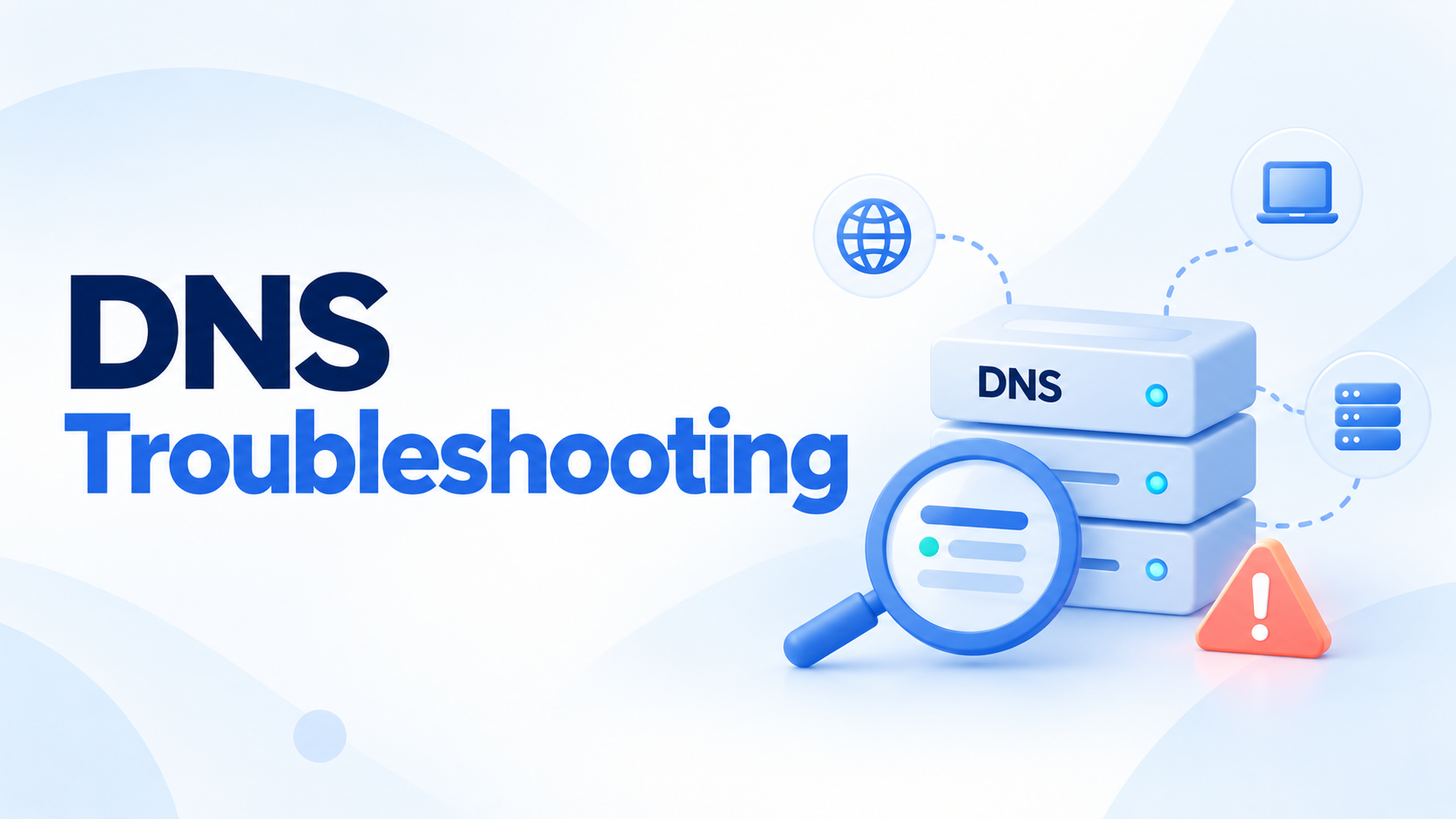
DNS Troubleshooting: A Step-by-Step Guide to Finding DNS Problems
DNS Troubleshooting can feel complicated when a website suddenly stops loading, a domain points to the wrong server, or some users can access a site while others cannot. The good news is that most DNS problems become much easier to solve when you check them in the right order. Instead of changing DNS settings at…
-
Common DNS Errors Explained
DNS errors happen when the Domain Name System cannot complete a request as expected. They can prevent a website from loading, stop emails from reaching their destination, or cause applications and online services to become unavailable. Some DNS errors are temporary. Others point to incorrect DNS records, unavailable name servers, DNSSEC problems, or configuration mistakes.…

-
DNS Server Not Responding: Causes and Fixes
Few Internet errors are more frustrating than “DNS server not responding.” Your Wi-Fi may still look connected and everything seems normal, yet websites suddenly refuse to open. Fortunately, the cause is often simple. A router restart, fresh DNS cache, or different DNS resolver may be all you need. When those quick fixes do not work,…

-
How to Identify and Fix Slow DNS Resolution?
Slow DNS resolution can make a website feel sluggish before the page has even started loading. In many cases, the delay is not caused by the website itself, but by how long it takes to translate the domain name into an IP address. The good news is that slow DNS can usually be traced back…

-
What Is DNS over QUIC and How Does It Work?
DNS over QUIC is a newer way to send DNS queries securely over the Internet. It combines encrypted DNS with the speed and connection handling of the QUIC protocol. For users, the goal is simple: keep DNS requests private, reduce delays, and make connections more resilient when networks change. What Is DNS over QUIC? DNS…

-
Netstat Command Explained: How to Check Network Connections
The Netstat command is a network troubleshooting tool that lets you view active connections, listening ports, routing information, network interfaces, and protocol statistics on a computer or server. If you need to find out which ports are open, whether a server has active connections, or which application is using a particular port, Netstat can quickly…

-
What Is a DNS Resolver and How Does It Work?
DNS resolver is a key part of the Domain Name System (DNS), the technology that helps your browser find websites on the internet. Every time you type a domain name such as example.com into your browser, a DNS resolver helps find the IP address connected to that domain. Without them, you would often need to…
