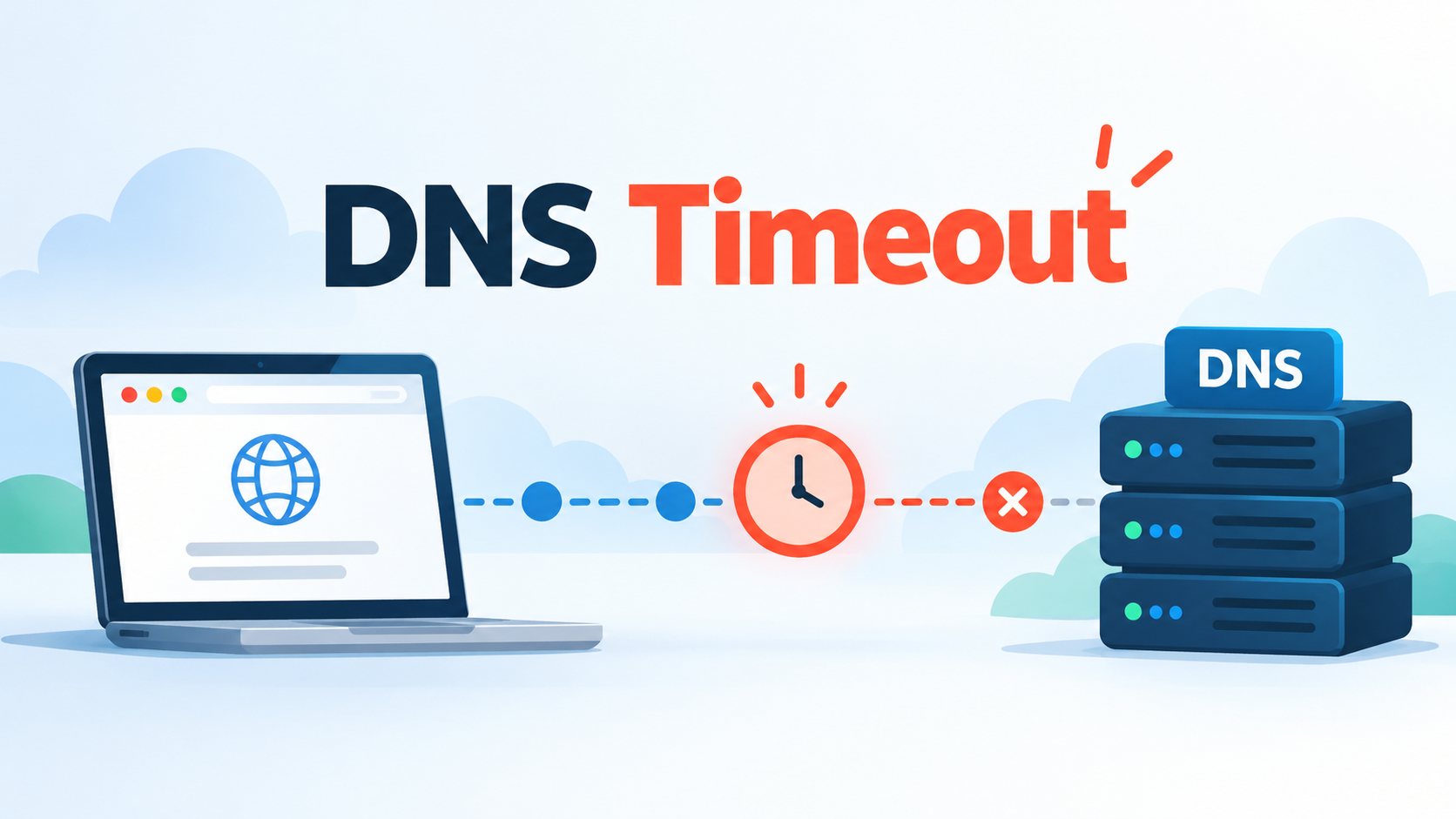
The Dig command is one of the easiest ways to investigate a DNS timeout because it shows whether a DNS server answers your query and how long the response takes. A DNS timeout happens when your device or a DNS resolver sends a query but does not receive an answer within the expected time. When … Read More “DNS Timeout: Causes and Fixes” »
Tag: DNS records
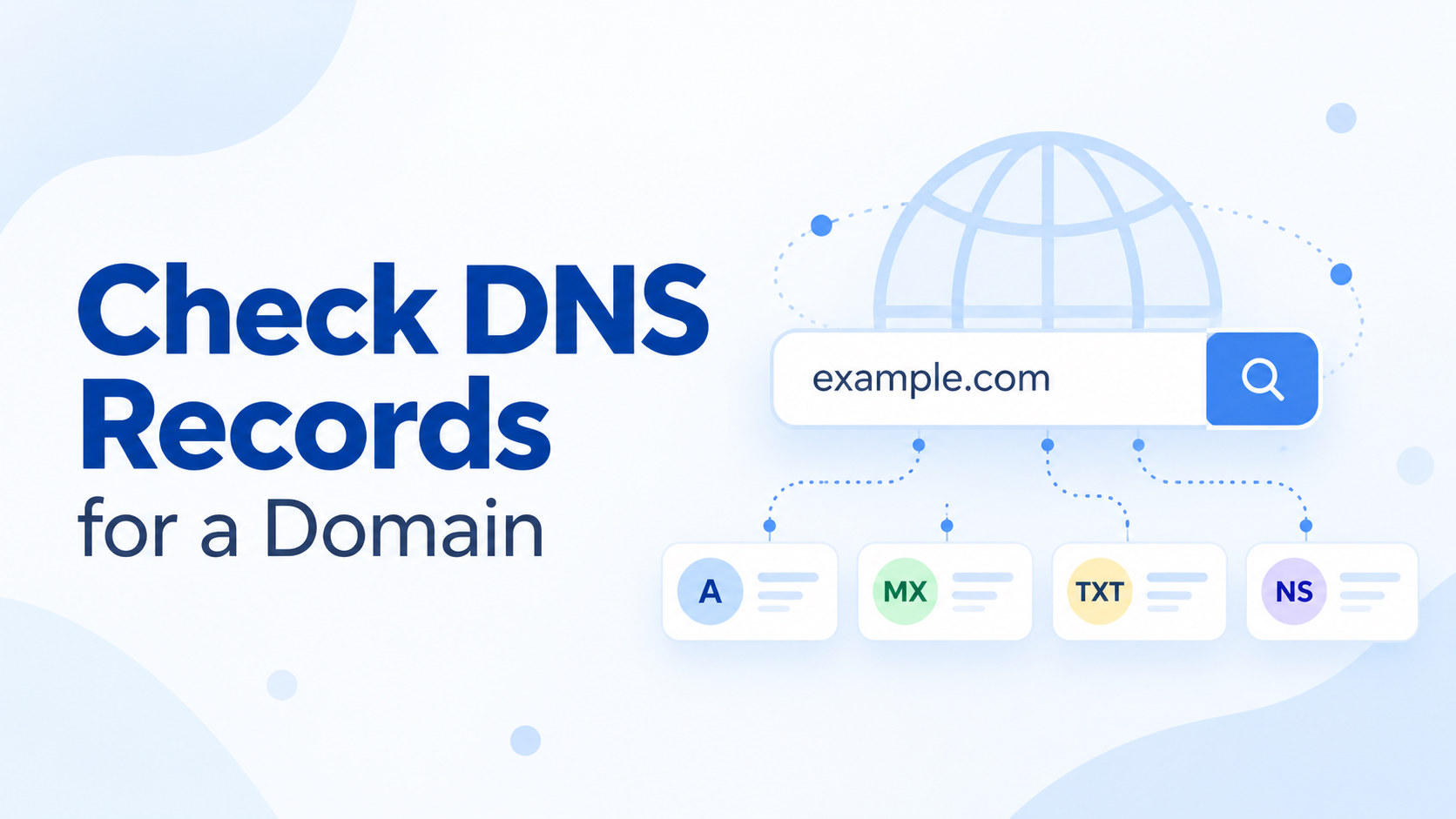
Checking DNS records is useful whenever you want to see where a domain points, verify an email setup, troubleshoot a DNS problem, or confirm that a recent change is working. You can do it from the command line with tools such as dig and nslookup, or use an online DNS checker if you prefer something … Read More “How to Check DNS Records for a Domain?” »
DNS Troubleshooting can feel complicated when a website suddenly stops loading, a domain points to the wrong server, or some users can access a site while others cannot. The good news is that most DNS problems become much easier to solve when you check them in the right order. Instead of changing DNS settings at … Read More “DNS Troubleshooting: A Step-by-Step Guide to Finding DNS Problems” »
DNS resolver is a key part of the Domain Name System (DNS), the technology that helps your browser find websites on the internet. Every time you type a domain name such as example.com into your browser, a DNS resolver helps find the IP address connected to that domain. Without them, you would often need to … Read More “What Is a DNS Resolver and How Does It Work?” »
DNS TTL is a small setting with a big job. It controls how long DNS information can stay cached before it needs to be checked again. Choosing the right TTL can make DNS changes smoother, help with migrations and failover, and reduce unnecessary DNS queries. What Is DNS TTL? DNS TTL stands for Time to … Read More “What Is DNS TTL and Why Does It Matter?” »
DNS Propagation is the process that happens after you change a domain’s DNS records and those changes begin spreading across DNS servers and resolvers around the world. If you have ever updated an A record, changed nameservers, connected a domain to a new hosting provider, or modified an MX record, you may have noticed that … Read More “What Is DNS Propagation and How Long Does It Take?” »
The Dig command is a powerful DNS lookup tool that helps you find information about domain names, DNS records, nameservers, mail servers, and IP addresses. System administrators, developers, and network engineers often use it to troubleshoot DNS problems and verify that a domain is configured correctly. If you are new to DNS, the output may … Read More “Dig Command Explained for Beginners” »
The topic of our article today is the DNSSEC. It can be seen as a solution to insecure DNS in other instances. It integrates cryptography and establishes a comprehensive chain of trust. So, this guarantees each level and ensures that your domain is secure. That’s one part of his characteristics. However, you’ll learn about the … Read More “DNSSEC breakdown” »
Maintenance, updates of software, security measures… Websites owners try everything, and even so, bugs, hardware breakdowns, clustered connections, etc., could get their sites in trouble. What about having a 24/7 monitoring that can be so aware to notify you about an upcoming problem? Or even better, this “vigilant” reacting on time to protect your site … Read More “How does DNS Failover work? “ »
The DS record is a specific DNS record that is used to secure the DNS (DNSSEC). It uses cryptographic keys to verify zones from the DNSSEC chain of trust. What is DNSSEC? DNSSEC is the solution to secure, otherwise unsecured DNS. It is a chain of trust that uses a combination of public and private … Read More “DS record explained” »