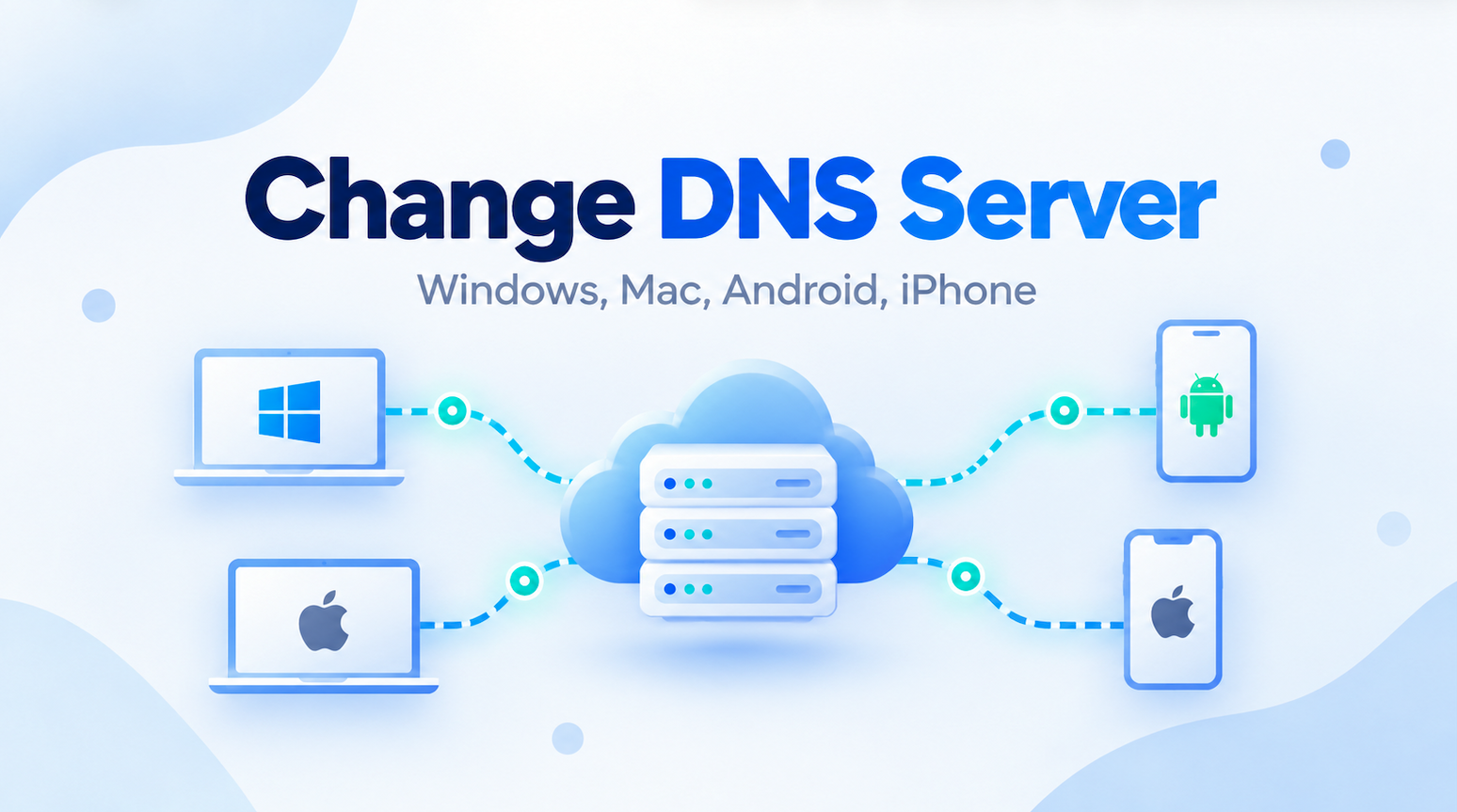
Most devices automatically use the DNS servers provided by your Internet provider or network. For many people, that works perfectly well and there is no reason to touch the settings. There are situations, however, when changing the DNS server can be useful. You may want to troubleshoot a slow or unreliable resolver, improve privacy, test … Read More “How to Change DNS Server on Windows, Mac, Android, and iPhone” »
Tag: DNS Security
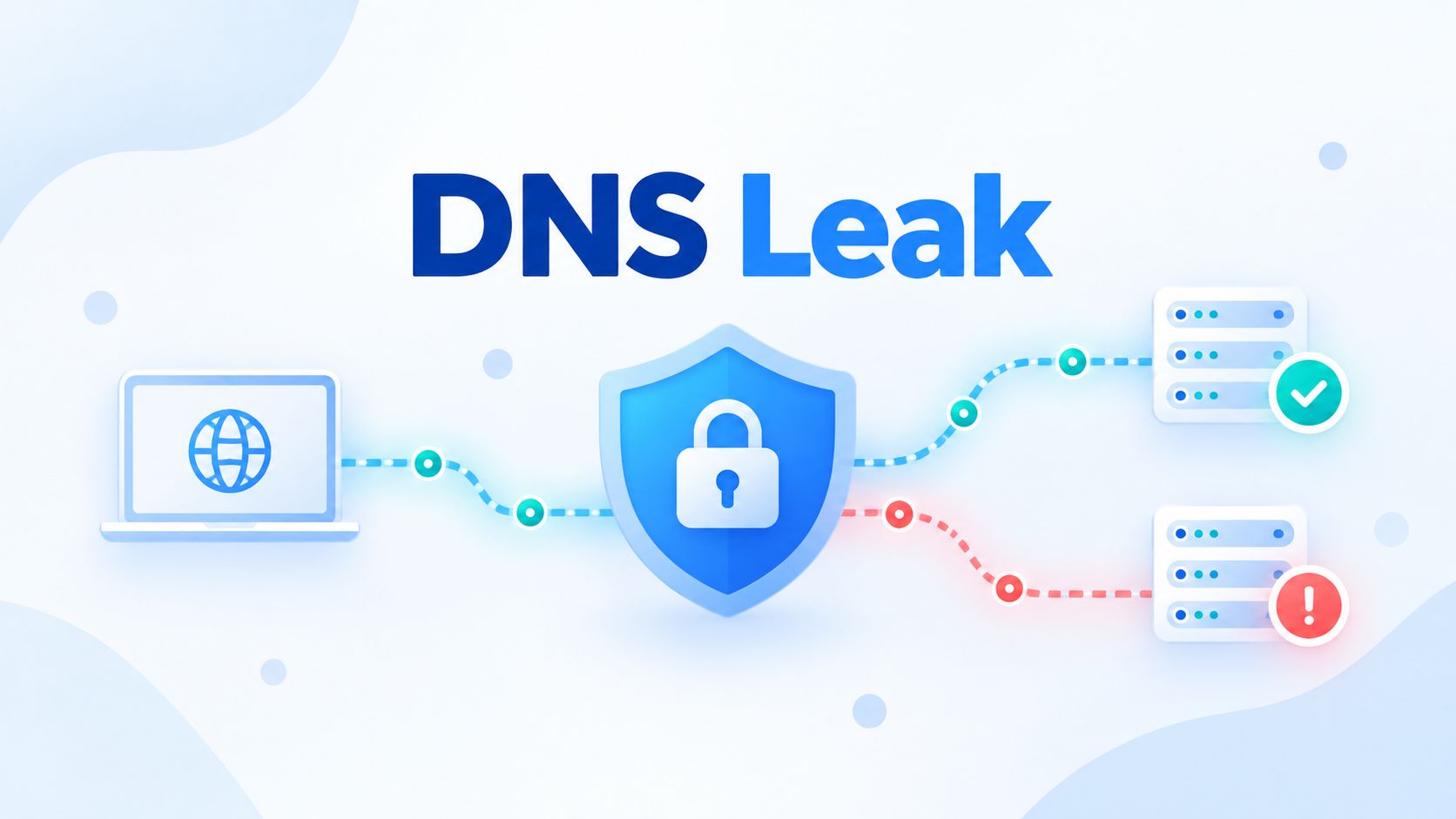
A VPN can hide your public IP address and send your Internet traffic through an encrypted tunnel. But there is one small piece of the connection that can quietly take a different route: DNS. When that happens, your website traffic may travel through the VPN while your DNS requests still go somewhere else. This is … Read More “What Is a DNS Leak? How to Test, Fix, and Prevent It” »
DNS over QUIC is a newer way to send DNS queries securely over the Internet. It combines encrypted DNS with the speed and connection handling of the QUIC protocol. For users, the goal is simple: keep DNS requests private, reduce delays, and make connections more resilient when networks change. What Is DNS over QUIC? DNS … Read More “What Is DNS over QUIC and How Does It Work?” »
Split-Horizon DNS is one of those DNS concepts that sounds more complicated than it really is. The idea is simple: the same domain name can return one answer to users inside a private network and another answer to users on the public Internet. This approach is often used by businesses that want employees to access … Read More “How Split-Horizon DNS Works and When to Use It” »
DNS is a core part of how the Internet works, connecting domain names with the right online services. Today, artificial intelligence is adding a new layer to DNS by helping detect threats, analyze traffic and automate network management. So, what does the combination of DNS and AI actually look like? Let’s take a closer look. … Read More “DNS and AI: How Artificial Intelligence Is Changing Domain Name Systems” »
A VPN is one of the most widely used tools for improving online privacy, securing remote connections, and protecting data on untrusted networks. Businesses use VPNs to connect employees to internal systems, while individual users rely on them when using public Wi-Fi, accessing home networks remotely, or reducing how much information their Internet connection exposes. … Read More “Why Use a VPN? Benefits, Risks, and Use Cases” »